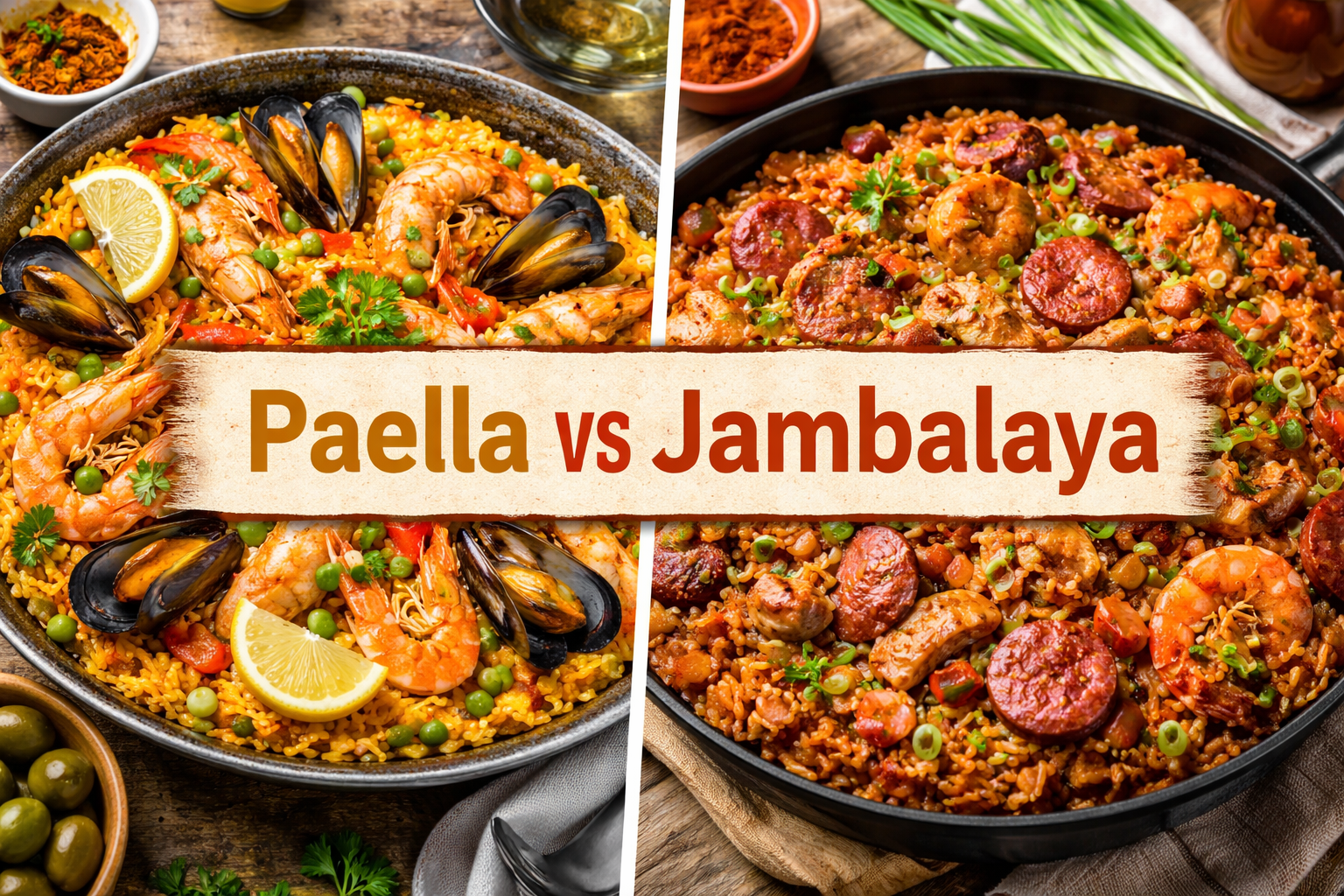
If you’ve ever looked at a plate of paella or a bowl of jambalaya and thought, “Aren’t these basically the same thing?” you’re not alone.
Both dishes are rice-based, colorful, packed with protein, and deeply tied to their cultural roots. But while they may look similar at first glance, paella and jambalaya are very different dishes in terms of origin, ingredients, cooking methods, and even the mindset behind how they’re made.
This article explained paella vs jambalaya, so anyone can understand the difference.
What Is Paella?
Paella is a famous rice dish that comes from Spain, especially from a place called Valencia. It is usually cooked in a wide, shallow pan and made by slowly cooking rice with simple ingredients like olive oil, vegetables, and meat or seafood. Over time, paella has become one of the most well-known foods from Spain and is enjoyed by people all over the world.
In Spain, paella is more than just a meal; it’s a dish meant to be shared. Families and friends often come together to enjoy paella during weekends, holidays, and special celebrations. Because of this, paella is strongly connected to togetherness, tradition, and enjoying good food with loved ones.
Key Characteristics of Paella
- Origin: Valencia, Spain
- Rice-based dish cooked in a wide, shallow pan
- Traditionally cooked slowly and carefully
- Known for its golden color from saffron
- Rice is the star not the meat or seafood
A Dish Rooted in Tradition
Paella has a strong connection to Spanish history and culture, especially in Valencia where it originated. For many locals, paella is not just something you eat; it is a tradition passed down through generations. People take pride in making it the right way, and it’s common to hear friendly debates about what ingredients should or should not be used in a “real” paella.
Traditional Valencian paella is made with simple, specific ingredients. It usually includes short-grain rice, chicken and rabbit, green beans, olive oil, saffron, and water or a light broth. Although seafood paella is very popular around the world today, it is actually a newer version and not part of the original recipe from Valencia.
What Is Jambalaya?
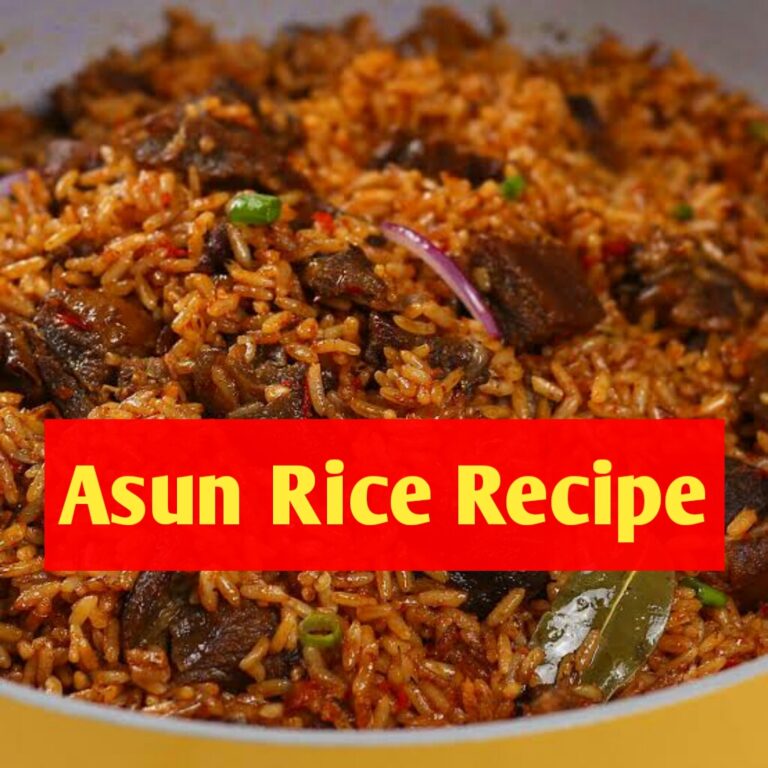
Jambalaya is a well-known rice dish that comes from Louisiana in the United States. It is closely connected to Creole and Cajun cooking, which are famous for their rich flavors and bold seasonings. Jambalaya is often cooked as a one-pot meal, making it filling, comforting, and easy to share with family and friends.
What makes jambalaya special is its mix of cultural influences. Over time, French, Spanish, African, and Caribbean traditions all helped shape the dish. This blend of cultures gave jambalaya its unique taste and flexible cooking style, where ingredients can be adjusted based on what is available while still keeping its classic flavor.
Key Characteristics of Jambalaya
- Origin: Louisiana (New Orleans and rural Cajun regions)
- Rice cooked together with ingredients
- Bold, spicy, smoky flavors
- Flexible and forgiving recipe
- Designed as a one-pot meal
Creole vs Cajun Jambalaya
There are two main types of jambalaya:
| Feature | Creole Jambalaya (Red Jambalaya) | Cajun Jambalaya (Brown Jambalaya) |
|---|---|---|
| Main Region | New Orleans | Rural Louisiana |
| Tomato Use | Includes tomatoes | Does not include tomatoes |
| Color | Reddish | Brown |
| Flavor Style | Slightly tangy and rich | Deep, smoky, and hearty |
| Cooking Method | Cooked with tomatoes and seasonings | Uses browned meat for deeper flavor |
| Cultural Influence | Strong Creole influence | Strong Cajun influence |
Common ingredients in both versions include:
- Rice
- Andouille sausage
- Chicken
- Shrimp (optional)
- Onions, bell peppers, and celery
- Spices and seasonings
Paella vs Jambalaya: The Key Differences Explained Simply
| Aspect | Paella | Jambalaya |
|---|---|---|
| Cultural Background | Reflects Spanish agricultural life and long-standing tradition | Reflects cultural blending and adaptability |
| Core Philosophy | Values authenticity and tradition | Values creativity and practicality |
| Cooking Style | Cooked without stirring to form a crispy bottom layer called socarrat | Stirred and mixed so flavors are evenly distributed |
| Texture | Distinct rice layers with a crispy base | Soft, mixed, and evenly textured |
| Ingredient Rules | Ingredient-specific with strict traditional rules | Highly flexible with easy ingredient swaps |
| Importance of Rice | Rice choice is critical | Rice type is flexible |
| Flavor Profile | Subtle, aromatic, earthy, slightly floral from saffron | Bold, smoky, spicy, and hearty |
| Skill Level | Requires patience and careful technique | Beginner-friendly and forgiving |
| Typical Occasion | Often made for special occasions | Commonly made as a weeknight or everyday meal |
Which One Is Healthier?
Both paella and jambalaya can be healthy choices, depending on how they are cooked and the ingredients used. Neither dish is unhealthy by nature; the key difference comes from portion sizes, seasonings, and cooking methods. When prepared thoughtfully, both meals can fit well into a balanced diet.
Paella is often made with lean meats, olive oil, and simple ingredients, which can make it lower in salt and less processed. Jambalaya, on the other hand, may contain more sodium and calories because of sausage and bold seasonings, but it is very easy to adjust. Health-conscious cooks can make either dish healthier by choosing lean proteins, using less oil and salt, and adding more vegetables for extra nutrients.
Which One Should You Try?
Choosing between paella and jambalaya really depends on your taste preferences and cooking style. Both dishes are delicious, but they offer very different experiences in terms of flavor, tradition, and preparation.
You might enjoy paella if you like traditional recipes, prefer lighter and more refined flavors, and are interested in Spanish culture. Paella is a great choice if you don’t mind spending extra time cooking and enjoy following specific steps. On the other hand, jambalaya is perfect if you love bold, spicy food and want a hearty, one-pot meal. It’s ideal for feeding a crowd and allows more freedom to adjust ingredients based on what you have on hand.
Can You Compare Paella and Jambalaya Directly?
Yes, paella and jambalaya can be compared, but it helps to understand the purpose behind each dish. Although both use rice and may look alike at first glance, they are made in different ways and represent different cooking styles and traditions.
Paella focuses on tradition, careful technique, and staying true to its Spanish roots. Jambalaya, on the other hand, is all about bold flavor and flexibility, allowing cooks to adapt the recipe easily. Neither dish is better than the other; they are simply different ways cultures express themselves through food.